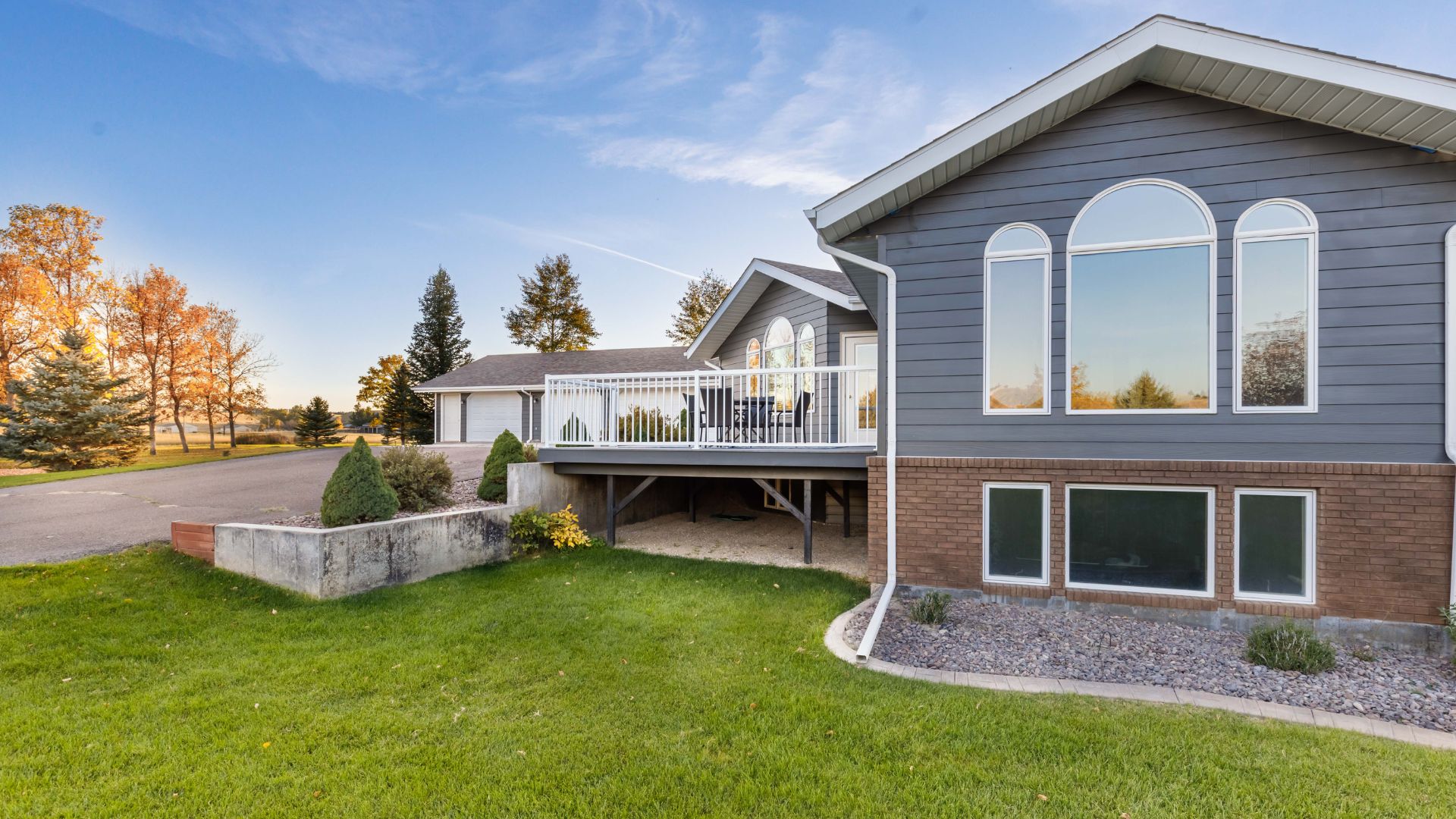






When homeowners think about their home’s exterior, they often think about individual projects.
A roof is a roof. Siding is siding. Windows are windows. Gutters are gutters.
But these components don’t work independently.
Together, they form an important part of your home’s protection against rain, wind, moisture, air infiltration, and changing outdoor conditions. The U.S. Department of Energy describes the building envelope as including the roof, walls, windows, doors, and other components that separate the conditioned interior from the outdoors. Gaps and weak points within that envelope can affect comfort, durability, and energy performance.
That means a problem with one exterior component can sometimes create problems somewhere else.
Understanding how these systems work together can help homeowners recognize issues earlier—and know when it’s time to call a professional.
Your Roof: The First Line of Protection
Your roof takes the direct impact of rain, wind, snow, and other weather conditions.
Its job is more than simply keeping water out of the living space. Roofing materials, flashing, roof edges, valleys, and other components work together to direct water away from vulnerable areas of the home.
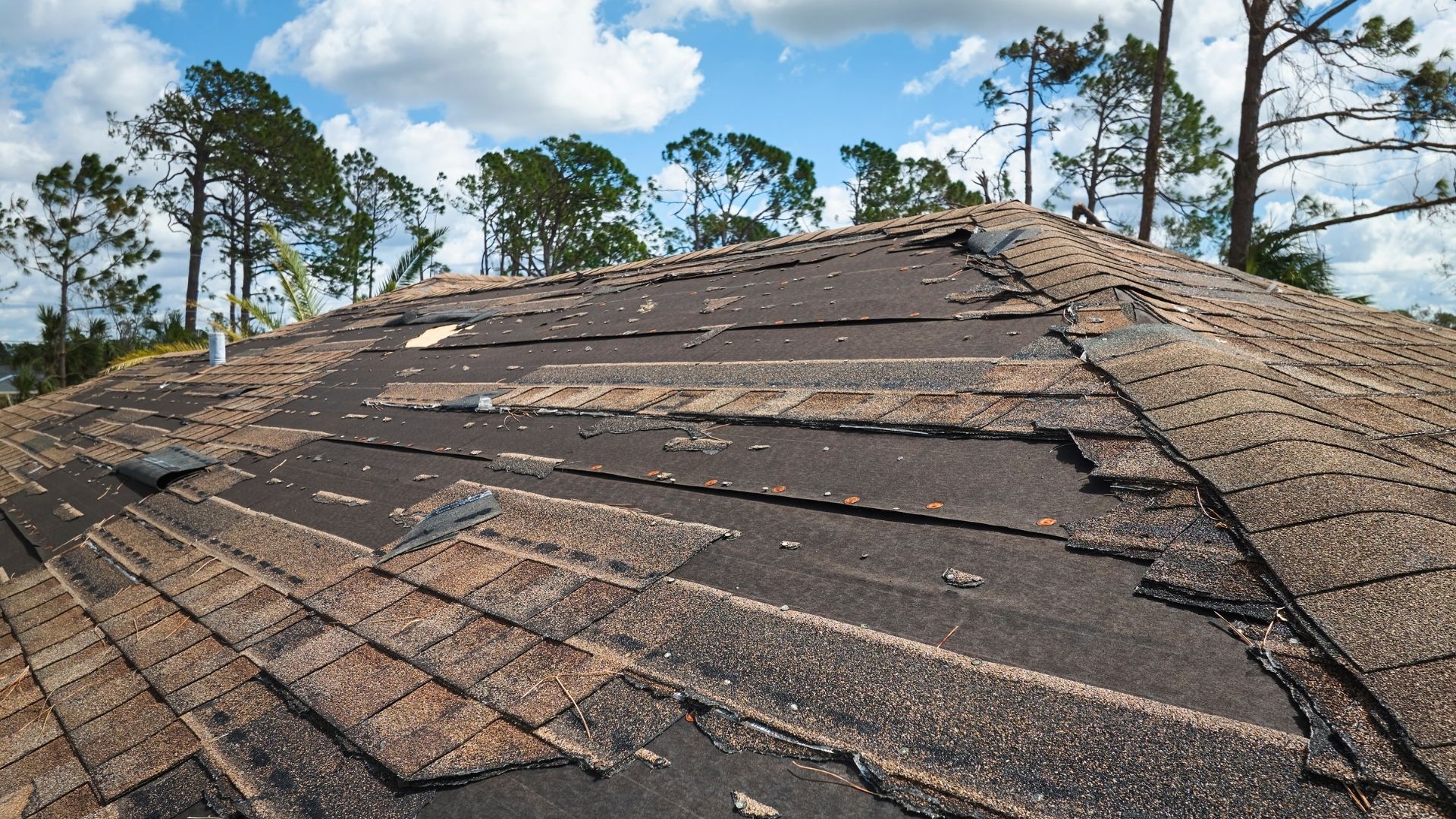
When shingles are damaged, flashing deteriorates, or water finds a weak point, moisture can enter the roofing system.
The U.S. Department of Energy notes that roof leaks and improperly installed flashing around roof penetrations can allow moisture into the attic, where it can damage wood and insulation.
This is why a small roofing problem should not automatically be treated as a minor cosmetic issue.
If your roof is showing signs of damage, an inspection can help determine whether a repair or more extensive work is appropriate.
Gutters: Where Does the Water Go?
Even a properly functioning roof needs an effective way to move rainwater away from the house.
That’s where gutters and downspouts come in.
They collect runoff from the roof and direct it away from the building. The University of Maryland Extension explains that downspouts collect stormwater from roofs and gutters and transport it away from buildings.
When gutters are clogged, damaged, improperly draining, or pulling away from the home, water may not be directed where it should go.
That can contribute to moisture problems around the exterior of the house.
The EPA likewise recommends using properly functioning gutters and downspouts to direct roof water away from the building.
A roof and gutter system should work together—not against each other.
Siding: More Than Curb Appeal
Siding is often viewed primarily as an aesthetic feature.
But exterior cladding is also part of the home’s weather-resistant envelope.
Cracks, gaps, rot, warping, or other deterioration can leave areas of the exterior more vulnerable to moisture.
Water-management systems are designed to direct water away from walls rather than allowing it to accumulate behind exterior materials. EPA guidance for water-managed homes emphasizes the importance of drainage planes and flashing around vulnerable areas such as roof-wall intersections and openings.
That is why deteriorated siding deserves more attention than simply asking whether the house still looks good.
If the siding is damaged throughout the exterior, replacement may provide an opportunity to improve the condition and appearance of the home’s exterior at the same time.
Windows and Doors: Small Openings, Big Responsibilities
Windows and exterior doors are necessary openings in the building envelope, which means they need to be properly installed, sealed, and maintained.
The Department of Energy identifies windows and doors as potential locations for air leakage. Reducing uncontrolled air infiltration can improve comfort and help reduce unnecessary heating and cooling losses.
Homeowners may notice warning signs such as:
- Drafts around windows or doors
- Difficulty opening or closing them
- Damaged or deteriorated frames
- Moisture or condensation
- Visible gaps around the opening
Not every draft means a window or door needs to be replaced. However, persistent problems are worth evaluating.
When replacement is appropriate, proper installation matters just as much as the product itself. The Department of Energy emphasizes proper installation practices to minimize air infiltration around windows and doors.
Why These Exterior Components Should Be Looked at Together
Imagine a heavy rainstorm.
Water reaches the roof.
The roof directs that water toward the drainage system.
The gutters collect it.
The downspouts move it away from the building.
At the same time, siding, windows, doors, flashing, and other exterior components need to keep water from entering vulnerable areas of the wall assembly.
That’s the basic idea behind a properly managed exterior: water should have a controlled path away from the home.
When one part of that system is damaged or poorly maintained, other components may have to deal with conditions they were not intended to handle.
That’s why looking at one isolated problem doesn’t always tell the whole story.
When Should You Have Your Home’s Exterior Checked?
You don’t have to wait for a major leak or obvious structural problem.
Consider having your exterior evaluated if you notice:
- Missing or damaged shingles
- Water stains inside the home
- Deteriorated flashing
- Overflowing or damaged gutters
- Cracked, warped, or rotting siding
- Drafty windows
- Doors that no longer close or seal properly
- Recurring moisture problems
- Exterior damage after severe weather
Some problems may require a simple repair. Others may indicate that a component has reached the point where replacement makes more sense.
The important thing is to identify the condition before guessing at the solution.
One Exterior Problem Can Be the Sign of Another
A homeowner might call about a roof leak and discover that damaged gutters are contributing to drainage problems.
Someone replacing deteriorated siding may also realize that several windows need attention.
A drafty room might lead to an evaluation of older windows or doors.
The point isn’t that every exterior problem requires a complete renovation.
It doesn’t.
The point is that your home’s exterior works as a system, and understanding how the pieces interact can help you address problems before they become more expensive or disruptive.
Protect Your Home Before Small Problems Become Bigger Ones
Roofing, siding, windows, doors, and gutters all play different roles, but they share the same purpose: helping protect your home from the conditions outside.
At A&R Roof Services LLC, homeowners can turn to one experienced contractor for multiple exterior home improvement needs, including roof inspections, roof repairs, roof replacement, siding installation, window replacement, door replacement, and gutter services.
With more than 22 years of roofing experience, A&R Roof Services LLC focuses on identifying what your home actually needs and providing a practical solution—not simply recommending the biggest project.
If you’ve noticed a problem with your roof, siding, windows, doors, or gutters, don’t wait until the damage becomes harder and more expensive to address.
Call A&R Roof Services LLC today at 301-974-7059 for a free estimate and find out how your home’s exterior can be better protected.