






Blog
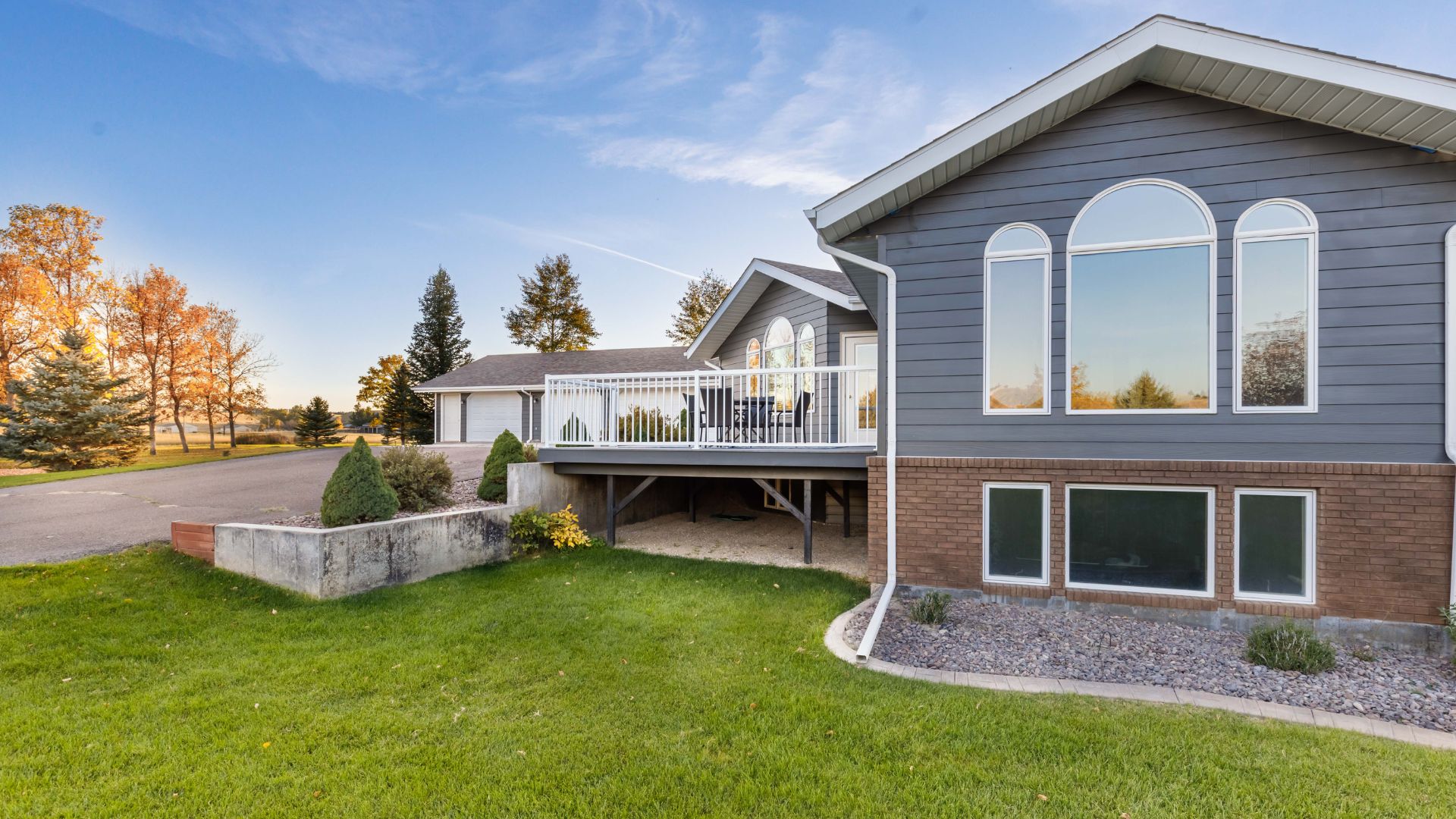
Roof, Siding, Windows, and Gutters: How Your Home’s Exterior Works Together
When homeowners think about their home's exterior, they often think about individual projects. A roof is a roof. Siding is siding. Windows are windows. Gutters are gutters. But these components don't work independently. Together, they form an important part of your home's protection against rain, wind, moisture, air infiltration, and changing outdoor conditions. The U.S. Department of Energy describes the building envelope as including the roof, walls, windows, doors, and other components that separate the conditioned interior from the outdoors. Gaps and weak points within that envelope can affect comfort, durability, and energy performance. That means a problem with one exterior component can sometimes create problems somewhere else. Understanding how these systems work together can help homeowners recognize issues earlier—and know when it's time to call a professional. Your Roof: The First Line of Protection Your roof takes the direct impact of rain, wind, snow, and other weather conditions. Its job is more than simply keeping water out of the living space. Roofing materials, flashing, roof edges, valleys, and other components work together to direct water away from vulnerable areas of the home. When shingles are damaged, flashing deteriorates, or water finds a weak point, moisture can enter the roofing system. The U.S. Department of Energy notes that roof leaks and improperly installed flashing around roof penetrations can allow moisture into the attic, where it can damage wood and insulation. This is why a small roofing problem should not automatically be treated as a minor cosmetic issue. If your roof is showing signs of damage, an inspection can help determine whether a repair or more extensive work is appropriate. Gutters: Where Does the Water Go? Even a properly functioning roof needs an effective way to move rainwater away from the house. That's where gutters and downspouts come in. They collect runoff from the roof and direct it away from the building. The University of Maryland Extension explains that downspouts collect stormwater from roofs and gutters and transport it away from buildings. When gutters are clogged, damaged, improperly draining, or pulling away from the home, water may not be directed where it should go. That can contribute to moisture problems around the exterior of the house. The EPA likewise recommends using properly functioning gutters and downspouts to direct roof water away from the building. A roof and gutter system should work together—not against each other. Siding: More Than Curb Appeal Siding is often viewed primarily as an aesthetic feature. But exterior cladding is also part of the home's weather-resistant envelope. Cracks, gaps, rot, warping, or other deterioration can leave areas of the exterior more vulnerable to moisture. Water-management systems are designed to direct water away from walls rather than allowing it to accumulate behind exterior materials. EPA guidance for water-managed homes emphasizes the importance of drainage planes and flashing around vulnerable areas such as roof-wall intersections and openings. That is why deteriorated siding deserves more attention than simply asking whether the house still looks good. If the siding is damaged throughout the exterior, replacement may provide an opportunity to improve the condition and appearance of the home's exterior at the same time. Windows and Doors: Small Openings, Big Responsibilities Windows and exterior doors are necessary openings in the building envelope, which means they need to be properly installed, sealed, and maintained. The Department of Energy identifies windows and doors as potential locations for air leakage. Reducing uncontrolled air infiltration can improve comfort and help reduce unnecessary heating and cooling losses. Homeowners may notice warning signs such as: Drafts around windows or doors Difficulty opening or closing them Damaged or deteriorated frames Moisture or condensation Visible gaps around the opening Not every draft means a window or door needs to be replaced. However, persistent problems are worth evaluating. When replacement is appropriate, proper installation matters just as much as the product itself. The Department of Energy emphasizes proper installation practices to minimize air infiltration around windows and doors. Why These Exterior Components Should Be Looked at Together Imagine a heavy rainstorm. Water reaches the roof. The roof directs that water toward the drainage system. The gutters collect it. The downspouts move it away from the building. At the same time, siding, windows, doors, flashing, and other exterior components need to keep water from entering vulnerable areas of the wall assembly. That's the basic idea behind a properly managed exterior: water should have a controlled path away from the home. When one part of that system is damaged or poorly maintained, other components may have to deal with conditions they were not intended to handle. That's why looking at one isolated problem doesn't always tell the whole story. When Should You Have Your Home's Exterior Checked? You don't have to wait for a major leak or obvious structural problem. Consider having your exterior evaluated if you notice: Missing or damaged shingles Water stains inside the home Deteriorated flashing Overflowing or damaged gutters Cracked, warped, or rotting siding Drafty windows Doors that no longer close or seal properly Recurring moisture problems Exterior damage after severe weather Some problems may require a simple repair. Others may indicate that a component has reached the point where replacement makes more sense. The important thing is to identify the condition before guessing at the solution. One Exterior Problem Can Be the Sign of Another A homeowner might call about a roof leak and discover that damaged gutters are contributing to drainage problems. Someone replacing deteriorated siding may also realize that several windows need attention. A drafty room might lead to an evaluation of older windows or doors. The point isn't that every exterior problem requires a complete renovation. It doesn't. The point is that your home's exterior works as a system, and understanding how the pieces interact can help you address problems before they become more expensive or disruptive. Protect Your Home Before Small Problems Become Bigger Ones Roofing, siding, windows, doors, and gutters all play different roles, but they share the same purpose: helping protect your home from the conditions outside. At A&R Roof Services LLC, homeowners can turn to one experienced contractor for multiple exterior home improvement needs, including roof inspections, roof repairs, roof replacement, siding installation, window replacement, door replacement, and gutter services. With more than 22 years of roofing experience, A&R Roof Services LLC focuses on identifying what your home actually needs and providing a practical solution—not simply recommending the biggest project. If you've noticed a problem with your roof, siding, windows, doors, or gutters, don't wait until the damage becomes harder and more expensive to address. Call A&R Roof Services LLC today at 301-974-7059 for a free estimate and find out how your home's exterior can be better protected.
Read MoreSeptember 29, 2026
Blog
7 Signs Your Roof May Have Hidden Water Damage
A roof leak does not always announce itself with a dripping ceiling or a bucket on the floor. In many homes, water can enter through a damaged area of the roofing system and remain unnoticed until it begins affecting ceilings, walls, insulation, or the attic. The U.S. Department of Energy notes that moisture entering an attic can damage roof materials, insulation, and areas of the home below. That is why a roof that looks fine from the ground may still deserve a closer inspection. If you notice any of the following warning signs, don't wait for a visible leak to make the decision for you. 1. Water Stains on Ceilings or Walls Brown, yellow, or discolored areas on a ceiling or wall can be a warning sign of water intrusion. The location of the stain does not necessarily tell you where the roof is damaged. Water can travel through building materials before becoming visible inside the home. The EPA specifically advises homeowners not to ignore wet spots or water stains and recommends addressing roof leaks or water damage quickly. A stain that appears after heavy rain deserves attention—even if it eventually dries. 2. Paint That Is Bubbling, Peeling, or Buckling Peeling paint is easy to dismiss as an aging interior finish. But when it appears near a ceiling, exterior wall, or around an area vulnerable to water intrusion, moisture may be involved. The EPA's home guidance includes buckling and peeling paint as a possible sign of water from a roof leak reaching a wall. Painting over the problem won't solve the underlying cause. The source of the moisture needs to be identified first. 3. Damp or Wet Insulation in the Attic Your attic can reveal problems that aren't visible from inside your living spaces. Wet insulation, particularly around the eaves, can indicate water intrusion. The U.S. Department of Energy identifies wet attic insulation as one of the signs of possible water intrusion. Moisture in the attic can also reduce the effectiveness of insulation and contribute to deterioration of roofing materials. If insulation feels damp or you notice signs of moisture, it's worth having the roof and attic area evaluated. 4. Musty Odors or Visible Mold A musty smell doesn't automatically mean you have a roof leak, but it shouldn't be ignored—especially when combined with other signs of moisture. Mold requires moisture to grow. The EPA recommends fixing the source of water and drying wet materials promptly rather than simply treating the visible mold. If moisture is coming from the roof, repairing the underlying roofing problem is an important part of addressing the source. 5. Damaged or Deteriorating Roof Materials Some warning signs can be seen from outside. Look for: Missing or damaged shingles Warped areas Deteriorated flashing Damaged roof edges Visible areas where roofing materials appear worn These conditions don't automatically mean your roof needs to be replaced. However, they are reasons to have the roofing system evaluated before a small defect becomes a larger source of water intrusion. 6. Water Damage Appearing Far From the Roof Problem This is one of the reasons diagnosing roof leaks can be difficult. You may notice a water stain in a bedroom while the actual entry point is somewhere else on the roof. Water can move along roof decking, framing, and other building components before it reaches the interior surface where you finally see it. That's why simply sealing the area directly above a ceiling stain may not address the real problem. A professional inspection can help determine where water is entering and what needs to be repaired. 7. Problems That Appear or Get Worse After Rain Pay attention to when you notice the problem. A ceiling stain that becomes darker after rainfall, damp attic materials following a storm, or recurring moisture around the same area can indicate that water is entering from outside. The longer a water problem continues, the greater the opportunity for moisture to damage materials. The EPA emphasizes fixing water problems promptly because prolonged dampness can contribute to mold growth and damage. Waiting for a large, obvious leak is not a good inspection strategy. What Should You Do If You Notice These Signs? The first step is not necessarily replacing the entire roof. It is finding out what is actually happening. A professional roof inspection can help determine whether the problem is related to damaged shingles, flashing, roof penetrations, drainage, ventilation, or another part of the roofing system. Depending on the findings, the appropriate solution may be a targeted roof repair rather than a complete replacement. At A&R Roof Services LLC, the goal is to identify the condition of your roofing system and recommend the appropriate course of action—not to make homeowners guess about what's happening above their heads. With more than 22 years of roofing experience, A&R Roof Services LLC provides professional roof inspections and repairs for homeowners who want to address problems before they become more expensive. Don't Wait for the Bucket A visible leak is not the only reason to have your roof checked. If you've noticed water stains, peeling paint, damp attic insulation, musty odors, damaged shingles, or recurring moisture after rain, the safest approach is to investigate the source before the damage has more time to spread. Don't wait until a hidden problem becomes an emergency. Contact A&R Roof Services LLC at 301-974-7059 to schedule your free roof inspection.
Read MoreAugust 31, 2026
Blog
How Much Roof Damage Is Too Much? When Repairs Are No Longer Enough
Your roof is designed to protect your home from the elements year after year. But no roofing system lasts forever. As it ages, homeowners often face the same question: Should you repair the roof again, or is it finally time for a replacement? Many people continue paying for repairs because replacing a roof feels like a much bigger investment. However, repeatedly fixing an aging roof can sometimes cost more over time than replacing it. Knowing when repairs are no longer the best option can help you avoid unnecessary expenses, protect your home, and make a smarter long-term investment. Not Every Damaged Roof Needs to Be Replaced One of the biggest misconceptions among homeowners is that any roof damage automatically means a full replacement. That's simply not true. If your roof is relatively new and the damage is isolated—such as a few missing shingles after a storm or minor flashing damage—a professional repair is often the most practical and cost-effective solution. The key is having a professional inspection that identifies the true condition of the entire roofing system rather than just the visible damage. When Roof Repairs Usually Make Sense Repairs are often the right solution when: Damage is limited to a small area. A few shingles have been damaged by wind. Flashing around chimneys, skylights, or vents has failed. Minor leaks are caught early. The roof is still well within its expected service life. Addressing these problems quickly helps prevent water intrusion and extends the lifespan of the existing roof. Delaying repairs, however, allows moisture to spread beneath the roofing materials, increasing repair costs over time. Signs Repairs May No Longer Be Enough There comes a point when continuing to repair an aging roof becomes less practical than replacing it. Some of the most common warning signs include: Frequent Leaks If leaks continue appearing in different areas of the home, the roofing system may be reaching the end of its useful life rather than suffering from one isolated problem. Repeated Repairs If you've paid for multiple roof repairs over the last few years, those costs can quickly add up. Instead of solving the problem, repeated repairs may simply delay the inevitable. Missing, Curling, or Cracked Shingles Shingles naturally deteriorate with age. Large sections of curling, cracked, brittle, or missing shingles often indicate widespread wear that repairs alone cannot correct. Sagging Areas A sagging roof is a serious concern that may indicate structural issues, moisture damage, or deteriorated roof decking. This type of problem should always be evaluated by an experienced roofing contractor as soon as possible. Extensive Storm Damage Severe wind, hail, or falling debris can damage large portions of a roof. Depending on the extent of the damage, replacement may provide a safer and more reliable long-term solution than patching multiple areas. Age Matters Even if your roof isn't actively leaking, its age plays an important role in determining whether repairs remain worthwhile. According to the National Roofing Contractors Association, the lifespan of a roofing system depends on several factors, including the roofing material, installation quality, ventilation, climate, and maintenance. Many asphalt shingle roofs are designed to last approximately 20 to 30 years under normal conditions. As roofs approach the end of their expected lifespan, repairs often become less effective because the surrounding materials continue to deteriorate. The Cost of Waiting Many homeowners postpone inspections because they don't want to hear they need a new roof. Ironically, waiting often makes the situation more expensive. Small roofing issues can lead to: Water damage inside the attic Damaged insulation Mold growth caused by prolonged moisture Interior ceiling and wall repairs Structural wood deterioration What begins as a relatively simple roofing issue can eventually affect multiple parts of your home. Early action almost always reduces overall repair costs. Why a Professional Roof Inspection Matters A roof leak doesn't always appear directly below the damaged area. Water can travel along roof decking, rafters, and framing before becoming visible inside the home. That's why visual observations alone rarely tell the full story. A professional inspection evaluates the entire roofing system, including: Shingles Flashing Roof decking Ventilation Drainage Areas vulnerable to moisture intrusion This allows homeowners to make informed decisions based on facts instead of guesswork. Repair or Replace? Get the Right Answer Choosing between repair and replacement isn't about selling the biggest project. It's about finding the solution that offers the best long-term value for your home. At A&R Roof Services LLC, every inspection is performed with the goal of identifying the real condition of your roof. If a repair is the right solution, that's the recommendation you'll receive. If the damage is too extensive for repairs to provide lasting protection, a roof replacement may ultimately save you money by preventing recurring problems and costly interior damage. With more than 22 years of experience, A&R Roof Services LLC provides honest evaluations, quality workmanship, and roofing solutions designed to protect your investment. Don't Keep Paying for the Same Problem If you're dealing with recurring leaks, aging shingles, or repeated roof repairs, now is the time to understand what's really happening. The right decision today can prevent much larger expenses tomorrow. Whether your roof needs a targeted repair or a complete replacement, A&R Roof Services LLC has the experience to recommend the solution that best protects your home. Schedule your free roof inspection today and get the answers your home deserves.
Read MoreJuly 28, 2026
Blog
How Old Windows Affect Comfort, Energy Efficiency, and Home Value
Windows do much more than let in natural light. They play a critical role in your home's comfort, energy efficiency, security, and overall value. However, as windows age, their performance gradually declines, often without homeowners realizing how much they're costing them. If you've noticed higher energy bills, uncomfortable drafts, or rooms that never seem to stay at the right temperature, your windows may be part of the problem. Understanding how aging windows affect your home can help you make informed decisions before small issues become expensive ones. Why Old Windows Become a Problem Over time, every window is exposed to years of sunlight, rain, wind, temperature changes, and normal wear. Seals deteriorate, frames expand and contract, and hardware begins to wear out. These changes may seem minor at first, but they can significantly reduce your home's ability to maintain a comfortable indoor environment. According to the U.S. Department of Energy, heat gain and heat loss through windows are responsible for approximately 25% to 30% of residential heating and cooling energy use. That means inefficient windows can directly impact your monthly utility costs. 1. Higher Energy Bills One of the first signs of aging windows is an increase in heating and cooling expenses. When window seals fail or frames no longer close tightly, conditioned air escapes while outside air enters your home. As a result, your HVAC system must work harder to maintain the desired indoor temperature. Over time, this extra workload leads to: Higher utility bills Increased wear on heating and cooling equipment Reduced energy efficiency throughout the home Replacing outdated windows with properly installed, energy-efficient models helps reduce unnecessary energy loss and improves overall performance. 2. Drafts and Uneven Indoor Temperatures Have you ever noticed one room feeling much colder in winter or warmer in summer than the rest of the house? Old windows often create drafts that make certain areas uncomfortable, even when your HVAC system is running properly. Common signs include: Cold air near windows during winter Hot spots during summer Constant thermostat adjustments Rooms that never feel comfortable These issues don't just affect comfort—they often indicate that your windows are no longer providing an effective seal against outdoor temperatures. 3. Moisture and Condensation Problems Condensation between panes of glass can indicate that the insulating seal in a double- or triple-pane window has failed. When this happens, the window loses much of its insulating performance. Excess moisture around windows may also contribute to: Mold growth Wood deterioration Interior trim damage Reduced indoor comfort Ignoring these warning signs can allow moisture-related issues to spread over time. 4. Reduced Home Value Your windows are one of the first exterior features people notice. Old, damaged, or outdated windows can negatively affect curb appeal and make a home appear less maintained. On the other hand, updated windows provide benefits that many buyers appreciate, including: Improved appearance Better energy efficiency Lower maintenance requirements Increased comfort Enhanced security Replacing aging windows is often viewed as an investment in both your home's functionality and long-term value. 5. Improved Comfort Year-Round Modern windows are designed with advanced technologies that help improve thermal performance. Features such as insulated glass, low-emissivity (Low-E) coatings, and improved weather sealing help reduce heat transfer and create a more consistent indoor environment throughout the year. Combined with professional installation, these improvements help homeowners enjoy greater comfort while reducing unnecessary energy consumption. Why Professional Installation Is Just as Important as the Window Itself Even the highest-quality replacement window cannot perform properly if it is installed incorrectly. Improper installation may lead to: Air leaks Water intrusion Drafts Premature wear Reduced energy efficiency A professional installation ensures the window is properly sealed, aligned, and integrated with your home's exterior to provide lasting performance. At A&R Roof Services LLC, window replacement is completed with careful attention to detail, quality workmanship, and long-term durability. The goal is not simply to replace old windows—it is to improve your home's comfort, efficiency, and protection for years to come. Don't Let Old Windows Cost You More Every Month If your home has drafty windows, rising energy bills, condensation between panes, or windows that no longer operate properly, waiting rarely improves the situation. Replacing aging windows can increase comfort, improve energy efficiency, enhance curb appeal, and help protect the value of your home. A&R Roof Services LLC provides professional window replacement services designed to deliver long-lasting results with expert installation you can trust. Schedule your consultation today and discover how new windows can improve your home inside and out.
Read MoreJune 30, 2026
Blog
Vinyl, Wood, or Aluminum Siding: Which Option Is Right for Your Home?
Your home's siding does much more than improve curb appeal. It serves as a critical protective barrier against moisture, wind, temperature fluctuations, and everyday wear. Choosing the right siding material can impact your home's appearance, maintenance requirements, energy efficiency, and long-term value. For many homeowners, the challenge is knowing which material best fits their needs. Vinyl, wood, and aluminum siding each offer unique advantages, but understanding the differences is essential before making an investment. Here's what homeowners should know when comparing these popular siding options. Why Siding Material Matters Exterior siding is your home's first line of defense against the elements. When siding begins to crack, warp, rot, or separate, moisture can penetrate behind the walls, potentially leading to structural damage, mold growth, and costly repairs. The right siding material can help: Protect against weather exposure Improve curb appeal Reduce maintenance requirements Increase property value Enhance long-term durability Choosing the best option depends on your budget, maintenance expectations, and long-term goals. Vinyl Siding: Low Maintenance and Cost-Effective Vinyl siding is one of the most widely used siding materials in the United States, largely because of its affordability and low maintenance requirements. Benefits of Vinyl Siding Resistant to moisture and insects Does not require regular painting Available in a wide variety of colors and styles Generally lower installation and maintenance costs Easy to clean with routine washing For homeowners seeking an attractive, durable exterior without extensive upkeep, vinyl siding is often an excellent choice. Considerations Although modern vinyl siding is highly durable, severe impacts can cause cracking. Quality installation is also critical to allow for expansion and contraction during temperature changes. Wood Siding: Natural Beauty and Timeless Appeal Wood siding has long been valued for its classic appearance and architectural character. Benefits of Wood Siding Natural and authentic appearance Excellent curb appeal Can be painted or stained in virtually any color Suitable for many architectural styles Many homeowners choose wood because of its warmth and visual appeal, particularly for traditional and custom homes. Considerations Wood siding requires more maintenance than other options. Regular painting, staining, and inspections are necessary to protect against moisture, insects, and rot. Without proper care, wood can deteriorate over time and become vulnerable to damage. Aluminum Siding: Durable and Weather Resistant Although less common than vinyl today, aluminum siding remains a durable option for many homes. Benefits of Aluminum Siding Resistant to rust Non-combustible material Resistant to insect damage Performs well in various weather conditions Long service life when properly maintained Aluminum can be a practical choice for homeowners looking for durability and weather resistance. Considerations Aluminum can dent from impacts and may require repainting over time to maintain its appearance. Which Siding Option Is Best? The answer depends on your priorities. Vinyl May Be Right If You Want: Lower maintenance Strong value for the investment Long-lasting curb appeal Minimal upkeep Wood May Be Right If You Want: Natural beauty Traditional aesthetics Custom color flexibility Aluminum May Be Right If You Want: Strong weather resistance Long-term durability A low-risk material for insect-related concerns A professional evaluation can help determine which material is the best fit for your home's design, budget, and long-term maintenance goals. Why Professional Installation Matters Even the highest-quality siding material can fail if it is not installed correctly. Improper installation can lead to: Water intrusion Moisture damage behind walls Reduced energy efficiency Premature siding failure Costly future repairs Professional installation ensures that siding performs as intended and provides reliable protection for years to come. At A&R Roof Services LLC, every siding project is approached with attention to detail, proper installation techniques, and a focus on long-term performance—not shortcuts. Don't Wait Until Exterior Damage Gets Worse If your siding is showing signs of cracks, gaps, warping, rot, mold, or other visible damage, delaying replacement can allow moisture and structural problems to spread. Whether you're considering vinyl, wood, or aluminum siding, choosing the right material and ensuring proper installation are key to protecting your home and maximizing your investment. A&R Roof Services LLC provides professional siding installation services designed to improve protection, appearance, and long-term value. Schedule a consultation today and discover which siding option is right for your home.
Read MoreMay 30, 2026
Blog
What Makes a Roof Last Longer?
A roof is one of the most important investments in any home. Yet many homeowners focus only on materials, assuming that a “better shingle” automatically means a longer-lasting roof. In reality, the lifespan of a roof depends on far more than the materials used. Even high-quality roofing systems can fail early when key factors are overlooked. Understanding what truly impacts roof longevity helps homeowners protect their investment, avoid premature repairs, and reduce long-term costs. Why Roof Lifespan Varies So Much Most asphalt shingle roofs in the United States are designed to last approximately 20 to 30 years under normal conditions. However, according to the National Roofing Contractors Association, many roofs fail earlier due to preventable issues such as poor installation, inadequate ventilation, and lack of maintenance. A long-lasting roof is not just installed—it is properly built, protected, and maintained over time. 1. Proper Installation Is the Foundation The single most important factor in how long a roof lasts is how well it is installed. Even the best materials cannot perform as intended if: Shingles are improperly aligned Flashing is incorrectly installed Underlayment is missing or inadequate Fasteners are poorly placed Improper installation creates weak points where water can enter and materials can fail prematurely. Professional roofing standards emphasize that correct installation ensures durability, weather resistance, and long-term performance. This is where experience matters. A properly installed roof performs consistently for decades, while shortcuts often lead to early repairs and costly replacements. 2. Ventilation Protects Your Roof from the Inside Many homeowners don’t realize that roof damage often starts from inside the attic. The U.S. Department of Energy highlights proper attic ventilation as a critical component of roof performance. Without it, heat and moisture build up, leading to: Warped or deteriorated decking Premature aging of shingles Mold and moisture problems Increased energy costs Ventilation helps regulate temperature and moisture levels, allowing roofing materials to perform as designed. A roof without proper ventilation may fail years earlier than expected—even if it appears fine from the outside. 3. Regular Maintenance Prevents Major Damage Roofs are constantly exposed to weather, debris, and natural wear. Small issues develop over time, and without maintenance, they can quickly escalate. Routine inspections and maintenance help identify: Loose or damaged shingles Early signs of leaks Flashing issues Gutter problems affecting drainage Addressing these issues early prevents water intrusion and structural damage. Maintenance is not just about fixing problems—it is about preventing them. The Cost of Ignoring These Factors When installation, ventilation, and maintenance are neglected, roof lifespan shortens significantly. What should last decades may require replacement much sooner. This often leads to: Repeated repair costs Interior water damage Higher energy bills Full roof replacement earlier than expected Homeowners who invest in proper installation and ongoing care avoid these unnecessary expenses. Why Professional Roofing Services Make the Difference A long-lasting roof requires more than materials—it requires expertise, attention to detail, and a full understanding of how roofing systems work together. A&R Roof Services LLC focuses on complete roofing solutions, including: Professional roof installation done correctly from the start Full system inspections to identify hidden issues Ventilation assessments to improve performance Reliable repairs and maintenance to extend roof lifespan With over 22 years of experience, the company delivers roofing solutions designed for durability, efficiency, and long-term protection. Protect Your Investment for the Long Term A roof is not something homeowners want to replace sooner than necessary. The right approach from the beginning can make the difference between a roof that lasts decades and one that fails early. Proper installation, ventilation, and maintenance are not optional—they are essential. A&R Roof Services LLC provides the expertise needed to ensure your roof performs at its best for years to come. Schedule your roof inspection today and make sure your investment is built to last.
Read MoreApril 29, 2026
Blog
Signs Your Home Exterior Is Failing (Before Major Damage Happens)
Most homeowners don’t think about their home’s exterior until something goes wrong. A leak appears, energy bills rise, or visible damage becomes impossible to ignore. By that point, what could have been a minor repair often turns into a costly project. The reality is that exterior failure rarely happens overnight. There are early warning signs—often subtle—that indicate your home may already be at risk. Recognizing these signs early can prevent structural damage, improve energy efficiency, and save thousands in future repairs. Why Early Detection Matters Your home’s exterior system—roof, siding, windows, and doors—works together to protect against moisture, air infiltration, and weather exposure. When one component begins to fail, it can affect the entire structure. According to the U.S. Department of Energy, air leaks and poor exterior sealing are among the leading causes of energy loss in residential homes. At the same time, moisture intrusion is one of the most common sources of structural damage reported in U.S. housing. Identifying problems early is not just about maintenance—it is about protecting the integrity and value of your home. 1. Cracks in Siding or Exterior Surfaces Cracks may seem like a cosmetic issue, but they often signal deeper problems. Damaged siding allows water and air to penetrate behind exterior walls, where it can affect insulation and structural components. Over time, even small cracks can lead to: Moisture intrusion Wood rot Mold growth Reduced energy efficiency If cracks are visible, the protective barrier of the home has already been compromised. 2. Moisture or Water Stains Any sign of moisture—inside or outside the home—should be taken seriously. Water stains on walls, ceilings, or around windows and doors often indicate that water is entering through the exterior. Moisture problems tend to spread silently. Water can travel through structural materials before becoming visible, meaning the source of the issue may be more extensive than it appears. Left untreated, moisture can lead to structural damage and indoor air quality concerns. 3. Peeling or Bubbling Paint Peeling paint is often dismissed as normal wear, but it is frequently a sign of trapped moisture. When water gets behind exterior surfaces, it breaks the bond between paint and material. This is especially common around: Window frames Door edges Siding joints Peeling paint is not just an aesthetic issue—it is an early warning sign that your home’s exterior is no longer properly sealed. 4. Rising Energy Bills An unexplained increase in heating or cooling costs is often linked to exterior inefficiencies. Air leaks through damaged siding, outdated windows, or poorly sealed doors force HVAC systems to work harder. The U.S. Department of Energy notes that a significant portion of energy loss in homes comes from gaps and leaks in the building envelope. If energy bills are increasing without a clear reason, the problem may be coming from the exterior—not the HVAC system. 5. Drafts Around Windows and Doors Feeling air movement near windows or doors is a clear sign of sealing failure. Over time, materials expand, contract, and deteriorate, creating gaps that allow outside air in. This leads to: Reduced indoor comfort Higher energy costs Increased moisture risk Drafts are often one of the earliest and most noticeable signs that replacement may be necessary. The Risk of Waiting Too Long Exterior damage rarely stays isolated. A small issue in one area can quickly affect multiple parts of the home. What begins as minor cracking or air leakage can lead to: Structural deterioration Interior water damage Mold growth Higher repair costs Full system replacements instead of simple fixes Delaying action often turns manageable repairs into major projects. Why Professional Evaluation Is Essential Exterior issues are not always visible from the ground, and many underlying problems develop behind walls or under surfaces. A professional inspection evaluates the full system—roofing, siding, windows, and doors—to identify both visible and hidden risks. A&R Roof Services LLC provides comprehensive exterior inspections and solutions designed to address the root of the problem, not just the symptoms. With over 22 years of experience, the company delivers reliable repairs, replacements, and full exterior upgrades that protect homes long-term. Protect Your Home Before the Damage Spreads If you have noticed cracks, moisture, peeling paint, drafts, or rising energy bills, your home may already be showing signs of exterior failure. Waiting allows damage to spread and increases the cost of repairs. A&R Roof Services LLC offers professional inspections, siding installation, window and door replacement, and complete exterior solutions to keep your home protected and efficient. Schedule your consultation today and address small problems before they become major damage.
Read MoreMarch 30, 2026
Blog
Top Reasons Roof Leaks Start (And Why They’re Rarely Where You Think)
A roof leak is one of the most frustrating problems a homeowner can face. Water appears on a ceiling or wall, yet the actual source of the problem often seems impossible to find. Many homeowners assume the leak is directly above the stain—but in reality, roof leaks rarely start where they become visible. Understanding how leaks develop and why professional inspections matter can prevent extensive damage and costly repairs. Why Roof Leaks Are Often Misleading Roof systems are built in layers. Beneath the shingles are underlayment materials, decking, structural framing, insulation, and interior finishes. When water enters the roof, it does not simply drip straight down. Instead, water typically travels along: Roof decking surfaces Wooden rafters and trusses Nails and fasteners Insulation layers Gravity and structural angles allow moisture to move several feet—or even across rooms—before it finally becomes visible inside the home. This is why a ceiling stain in one area may originate from damage located far away on the roof. According to roofing industry standards and inspection guidelines from organizations such as the National Roofing Contractors Association (NRCA), leak detection requires tracing moisture pathways rather than relying on visible symptoms alone. The Most Common Reasons Roof Leaks Start While storms often get the blame, most leaks begin with smaller issues that worsen over time. 1. Damaged or Missing Shingles Shingles protect the roof from direct water exposure. High winds, aging materials, and temperature changes can cause shingles to crack, curl, or detach, allowing water to penetrate beneath the surface. Even minor shingle damage can create an entry point for moisture. 2. Flashing Failures Flashing is the metal material installed around chimneys, vents, skylights, and roof transitions. These areas are among the most vulnerable parts of any roofing system. Over time, flashing can loosen, corrode, or separate due to expansion and contraction caused by changing temperatures. When flashing fails, water easily finds its way inside. 3. Clogged or Improperly Functioning Gutters Gutters are designed to direct water away from the roof. When they become blocked with debris, water backs up under shingles and into the roof structure. This type of leak often develops slowly and may remain unnoticed until interior damage appears. 4. Aging Roofing Materials All roofing materials have a lifespan. Asphalt shingles, one of the most common roofing materials in the United States, typically last around 20–30 years depending on installation quality, ventilation, and maintenance. As materials age, protective granules wear away and sealing strips weaken, increasing vulnerability to water intrusion. 5. Poor Roof Ventilation Improper ventilation allows heat and moisture to build up in the attic. Excess moisture can deteriorate decking and underlayment from the inside, creating conditions where leaks develop even without visible exterior damage. The U.S. Department of Energy emphasizes proper attic ventilation as a key factor in maintaining roof durability and preventing moisture-related problems. Why DIY Leak Detection Often Fails When homeowners attempt to locate leaks themselves, they usually focus on the visible stain rather than the entry point. This can lead to temporary fixes that do not solve the underlying problem. Common DIY mistakes include: Sealing the wrong area of the roof Applying surface patches instead of addressing structural issues Overlooking flashing or ventilation problems Allowing hidden moisture to continue spreading Because water travels before appearing indoors, accurate diagnosis requires professional inspection methods and roofing expertise. The Risk of Waiting Too Long A small leak rarely stays small. Moisture trapped inside a roof system can lead to: Rotting wood structures Mold and mildew growth Insulation damage and energy loss Interior drywall and paint deterioration Increased repair costs over time What begins as a minor repair can eventually require partial or full roof replacement if ignored. Why Professional Roof Inspections Make the Difference A professional roofing inspection evaluates the entire roofing system—not just the visible damage. Experienced contractors identify hidden entry points, ventilation issues, and early warning signs that homeowners often miss. A&R Roof Services LLC provides detailed roof inspections designed to locate the true source of leaks and prevent recurring problems. With more than 22 years of industry experience, the company delivers reliable repair solutions that address causes rather than symptoms. Do Not Guess Where the Leak Is Coming From When water appears inside the home, damage has already begun. The longer the source remains unidentified, the greater the risk to the structure and interior of the property. Professional diagnosis saves time, prevents unnecessary repairs, and protects the long-term value of your home. A&R Roof Services LLC offers free roof inspections to identify leak sources quickly and provide effective repair solutions. Schedule your inspection today and stop roof leaks before they turn into major damage.
Read MoreFebruary 27, 2026
Blog
Ice Dams in Maryland: What They Are, Why They Form, and How to Prevent Them
Maryland winters bring a mix of snow, freezing rain, fluctuating temperatures, and strong winds. While this weather may seem manageable, it creates one of the most common and damaging winter roofing problems for homeowners: ice dams. Left unaddressed, ice dams can cause serious roof leaks, interior water damage, and costly repairs. Understanding how ice dams form and how to prevent them is essential for protecting your home during the winter season. What Are Ice Dams? Ice dams are ridges of ice that form along the edges of a roof, typically at the eaves. They prevent melting snow from properly draining off the roof. As water backs up behind the ice dam, it can seep under shingles and into the roof structure, leading to leaks inside the home. Ice dams are not a surface-level issue. Even homes with newer roofs can experience damage if underlying conditions are present. Why Ice Dams Are Common in Maryland Maryland’s winter climate creates ideal conditions for ice dams due to frequent freeze-thaw cycles. Snow may melt during warmer daytime temperatures and refreeze at night when temperatures drop. This repeated process accelerates ice buildup at roof edges. Several factors contribute to ice dam formation: Heat loss from the attic causes snow on the upper roof to melt Cold roof edges allow water to refreeze near the eaves Poor attic ventilation traps warm air beneath the roof Insufficient insulation allows heat to escape unevenly Clogged gutters prevent proper water drainage Once ice forms at the edge of the roof, water has nowhere to go and begins to move backward under shingles, increasing the risk of leaks and structural damage. The Risks Ice Dams Pose to Your Home Ice dams are more than a winter inconvenience. They can cause long-term damage that often goes unnoticed until repairs become expensive. Common problems caused by ice dams include: Roof leaks and water stains on ceilings and walls Rotting roof decking and fascia boards Mold growth from trapped moisture Damaged insulation reducing energy efficiency Gutter separation and exterior damage In many cases, homeowners do not realize the extent of the damage until spring, when melting ice exposes hidden issues. How Ice Dams Can Be Prevented Preventing ice dams requires addressing the root causes—not just removing the ice once it forms. Professional roofing solutions focus on controlling heat flow, moisture, and drainage. Effective prevention methods include: Improved attic ventilation Proper airflow helps maintain a consistent roof temperature, reducing snow melt and refreezing cycles. Upgraded insulation Quality insulation minimizes heat loss from living spaces into the attic, keeping roof surfaces colder and more uniform. Installation of ice and water shield barriers These protective membranes are installed beneath shingles along vulnerable areas of the roof to prevent water from penetrating even if ice dams form. Gutter cleaning and maintenance Clear gutters allow melting snow and ice to drain safely away from the roof, reducing backup risks. Professional roof inspections An experienced roofing contractor can identify ventilation issues, insulation gaps, and early signs of winter damage before they worsen. Why Professional Help Matters Temporary solutions like roof rakes or salt-based products may reduce visible ice, but they do not address the underlying causes. Improper ice removal can also damage shingles and void warranties. A&R Roof Services LLC provides professional inspections, winter repairs, and preventative solutions designed specifically for Maryland homes. With over 22 years of experience serving the Laurel, MD area, the team understands how local weather affects roofing systems and how to protect them effectively. Do Not Wait for a Leak to Appear Ice dam damage often starts silently. By the time water enters the home, repairs are already more complex and costly. Addressing roof vulnerabilities early in the winter season can prevent emergency repairs and protect the long-term value of your home. A&R Roof Services LLC offers free inspections and expert winter roofing solutions for residential and commercial properties. Schedule your free roof inspection today and ensure your home is protected before the next winter storm hits.
Read MoreJanuary 29, 2026
Search
Recent Posts
Roof, Siding, Windows, and Gutters: How
September 29, 2026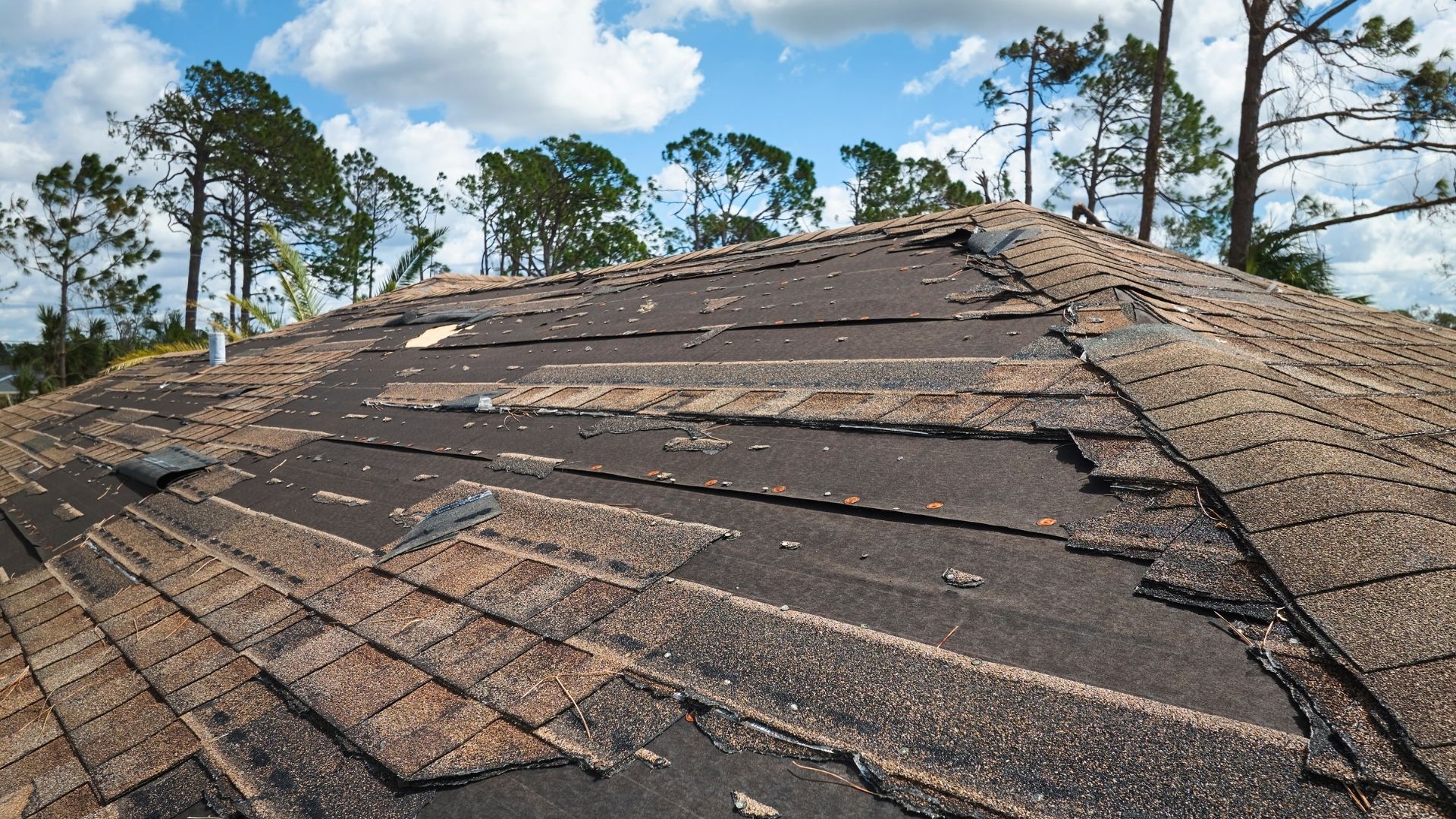
7 Signs Your Roof May Have
August 31, 2026
How Much Roof Damage Is Too
July 28, 2026Categories
- Blog 11