





A roof is one of the most important structural components of any home. It protects your property from moisture, wind, temperature changes, and long-term structural damage. But in a state like Maryland, where the climate brings a combination of heavy rain, high winds, humidity, snow, and rapid seasonal shifts, roofing materials deteriorate faster than in more stable regions.
Understanding how long a roof typically lasts in Maryland—and what you can do to extend that lifespan—can save homeowners thousands of dollars and prevent avoidable emergencies.
Below is what every Maryland homeowner needs to know.
How Long Does a Roof Usually Last in Maryland?
The answer depends on the roofing material, installation quality, and exposure to weather. However, Maryland’s climate can reduce the life expectancy of most roofs compared to national averages.
Asphalt Shingle Roofs (the most common)
Average lifespan in Maryland: 15–25 years
National average: 20–30 years
Reason for reduction: wind uplift, storm-driven rain, freeze–thaw cycles.
Architectural/Dimensional Shingles
Average lifespan in Maryland: 20–30 years
Better durability but still affected by humidity, ice, and heat expansion.
Metal Roofs
Average lifespan in Maryland: 40–70 years
Highly durable, but coastal humidity and salt air (in southern MD) can reduce life at the low end.
Cedar Shake Roofs
Average lifespan in Maryland: 20–30 years
Maryland’s humidity increases the risk of moss, rot, and warping.
Flat Roofs (EPDM, TPO, Modified Bitumen)
Average lifespan in Maryland: 10–20 years
Vulnerable to water pooling after heavy rain and snow.
Even the best materials degrade more quickly without proper maintenance. Maryland homeowners should never assume their roof is performing well simply because leaks are not visible. Many failures start silently beneath the surface.
Why Maryland’s Climate Shortens Roof Lifespan
- Heavy and frequent rainfall
Rain accelerates granule loss, shingle lifting, and flashing deterioration. Water intrusion can begin long before a homeowner notices interior stains.
- Wind storms
Maryland experiences strong winds throughout the year, especially during spring and fall storms. Wind can loosen shingles, expose nails, and cause uplift that eventually leads to full shingle failure.
- Snow and ice
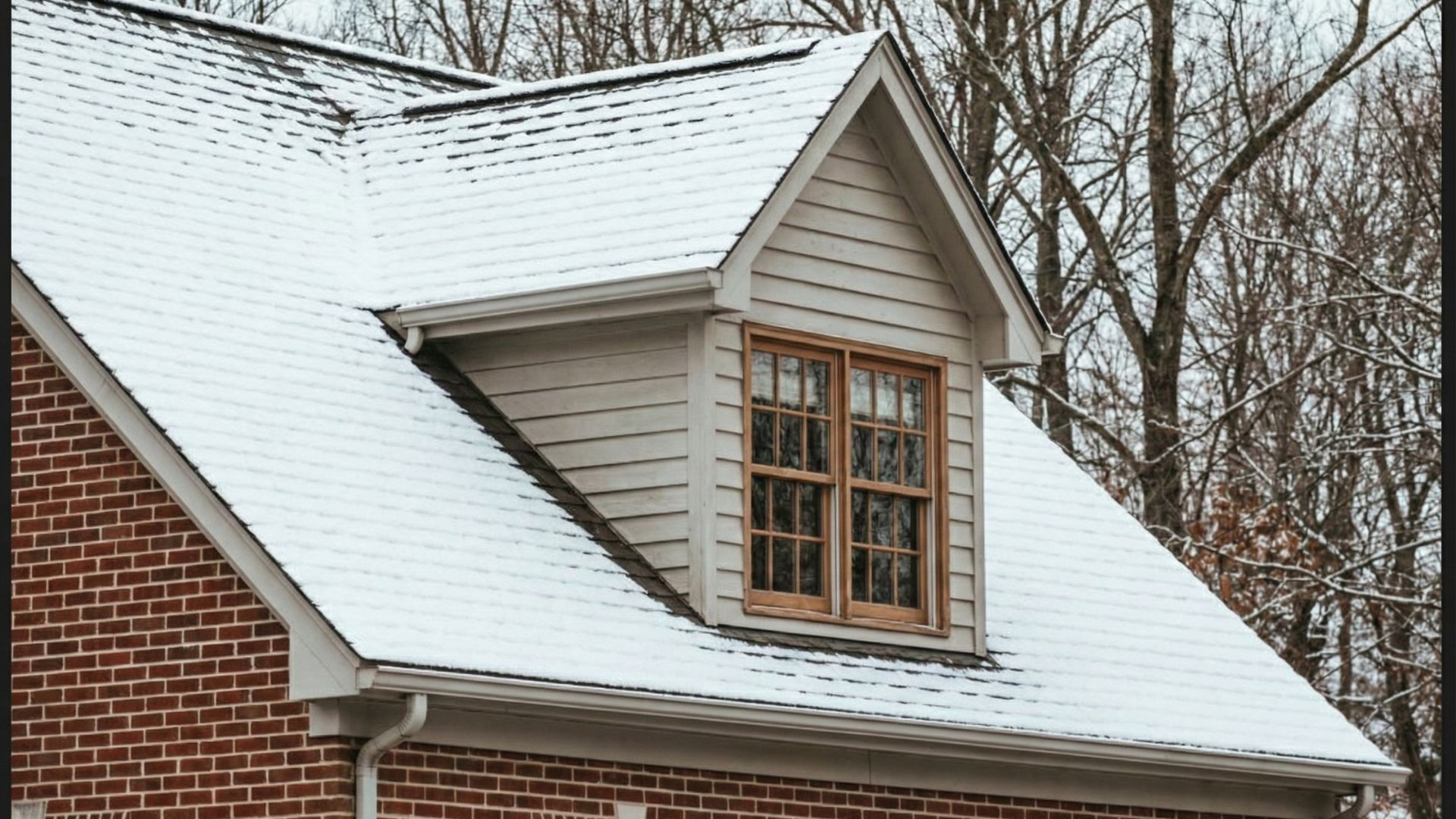
Snow accumulation adds weight, and ice dams form when melting snow refreezes near the edges of the roof. Ice dams are a major cause of hidden leaks, soffit damage, and water infiltration beneath shingles.
- Freeze–thaw cycles
Maryland experiences significant temperature swings throughout fall, winter, and early spring. When water seeps into small cracks and freezes, it expands and worsens the damage.
- High summer heat and humidity
Extreme heat dries out shingles, causes cracking, and accelerates aging. Humidity increases the risk of mold, rot, and deterioration of underlayment.
These environmental factors make routine inspections and timely repairs essential for avoiding premature roof failure.
Signs Your Roof Is Nearing the End of Its Life
Maryland homeowners should look for the following warning signs:
- Shingles curling, cracking, or buckling
- Missing shingles after storms
- Granules accumulating in gutters
- Dark streaks or algae growth
- Moss buildup, especially on shaded sides
- Soft spots or sagging areas
- Water stains on ceilings or walls
- Visible gaps around flashing, chimneys, or vents
Even early-stage roof deterioration can escalate quickly under Maryland weather conditions. Ignoring small issues almost always leads to expensive repairs later.
How to Extend the Life of Your Roof in Maryland
A roof may not last forever, but homeowners can significantly extend its lifespan with proactive care.
- Schedule annual professional roof inspections
Given Maryland’s weather patterns, a yearly inspection—ideally before winter—is essential. A trained roofing specialist can identify early damage that most homeowners miss.
- Clean and maintain your gutters
Clogged gutters cause water to back up under shingles and create ice dams in winter. Clean gutters at least twice a year or install gutter guards.
- Repair storm damage immediately
Even one missing shingle can lead to water penetration. After major storms, inspect your property or schedule a professional visit.
- Address attic ventilation and insulation
Poor ventilation cooks shingles from underneath and contributes to ice dams. Proper airflow can extend roof life by years.
- Keep trees trimmed away from the roof
Branches scrape shingles and drop debris that absorbs moisture and accelerates decay.
- Remove moss and algae safely
These organisms trap moisture, weakening shingles. A professional should handle removal to avoid accidentally damaging the roof surface.
When to Consider Roof Replacement
A roof is typically due for replacement when:
- It is near or past its expected lifespan
- Repairs are becoming frequent or costly
- There is widespread granule loss or shingle deterioration
- The roof has experienced major storm damage
- There are multiple leaks or signs of structural moisture
In Maryland, delaying replacement can be risky. A single heavy storm or snow event can turn a minor roofing issue into major interior and structural damage.
Why Choose A&R Roof Services LLC for Maryland Roof Repairs and Replacement
With more than 22 years of experience, a professional and licensed team (MHIC #136048), and a reputation built on quality workmanship, A&R Roof Services LLC understands how Maryland’s climate affects roofing systems. We provide:
- Full roof replacements
- Roof repairs
- Reroofing
- Gutter installation and cleaning
- Siding installation
- Window and door replacement
- Exterior and interior painting
- Drywall repair and installation
Our inspections are detailed, honest, and designed to prevent small issues from turning into costly damage.
Protect Your Home Before Weather Damages It
If your roof is more than 15 years old—or you have noticed any warning signs—now is the time to act. Maryland’s seasonal storms do not wait, and roof problems only become more severe and more expensive with time.