





A roof leak is one of the most frustrating problems a homeowner can face. Water appears on a ceiling or wall, yet the actual source of the problem often seems impossible to find. Many homeowners assume the leak is directly above the stain—but in reality, roof leaks rarely start where they become visible.
Understanding how leaks develop and why professional inspections matter can prevent extensive damage and costly repairs.
Why Roof Leaks Are Often Misleading
Roof systems are built in layers. Beneath the shingles are underlayment materials, decking, structural framing, insulation, and interior finishes. When water enters the roof, it does not simply drip straight down.
Instead, water typically travels along:
- Roof decking surfaces
- Wooden rafters and trusses
- Nails and fasteners
- Insulation layers
Gravity and structural angles allow moisture to move several feet—or even across rooms—before it finally becomes visible inside the home.
This is why a ceiling stain in one area may originate from damage located far away on the roof.
According to roofing industry standards and inspection guidelines from organizations such as the National Roofing Contractors Association (NRCA), leak detection requires tracing moisture pathways rather than relying on visible symptoms alone.
The Most Common Reasons Roof Leaks Start
While storms often get the blame, most leaks begin with smaller issues that worsen over time.
1. Damaged or Missing Shingles
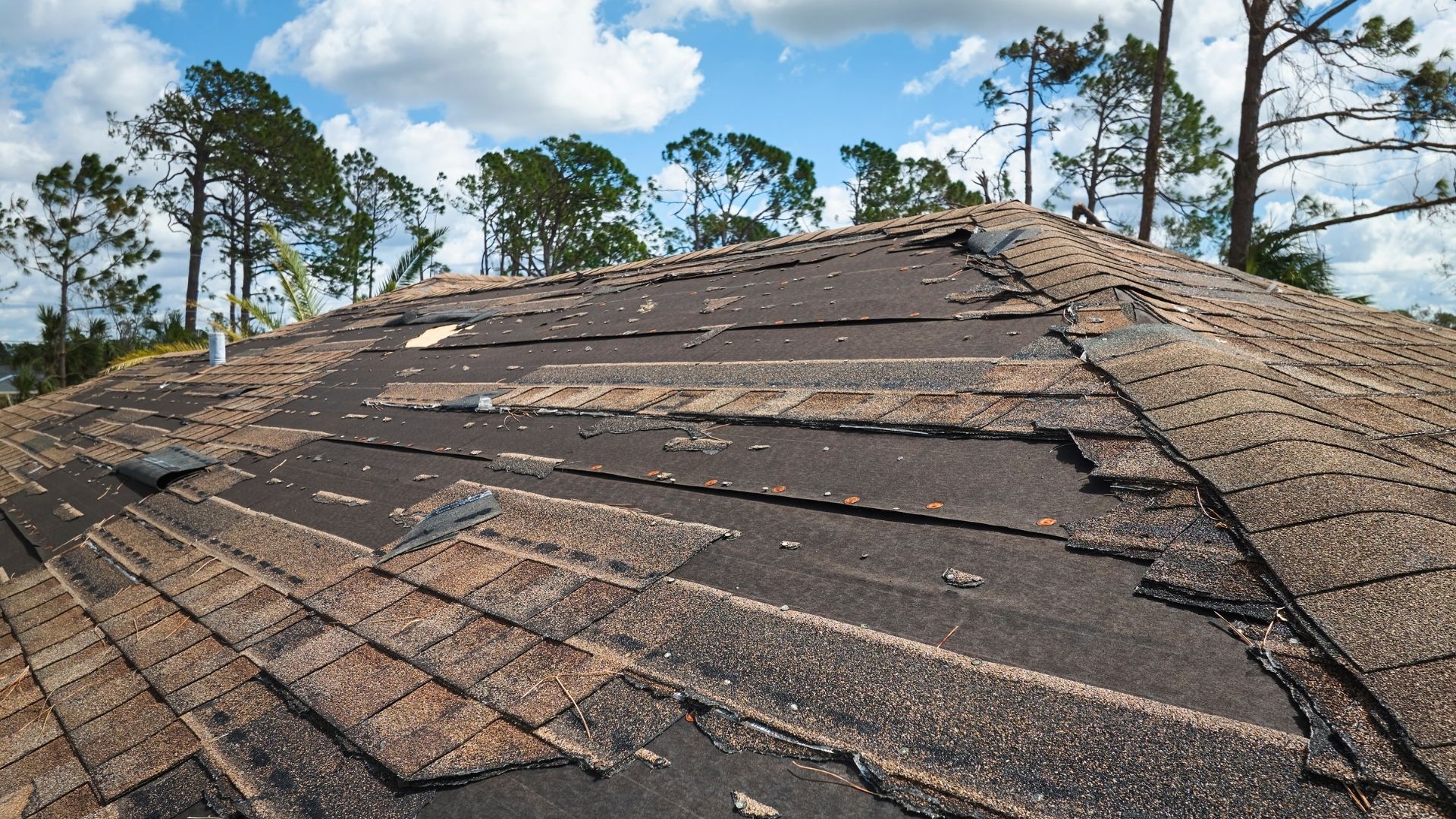
Shingles protect the roof from direct water exposure. High winds, aging materials, and temperature changes can cause shingles to crack, curl, or detach, allowing water to penetrate beneath the surface.
Even minor shingle damage can create an entry point for moisture.
2. Flashing Failures
Flashing is the metal material installed around chimneys, vents, skylights, and roof transitions. These areas are among the most vulnerable parts of any roofing system.
Over time, flashing can loosen, corrode, or separate due to expansion and contraction caused by changing temperatures. When flashing fails, water easily finds its way inside.
3. Clogged or Improperly Functioning Gutters
Gutters are designed to direct water away from the roof. When they become blocked with debris, water backs up under shingles and into the roof structure.
This type of leak often develops slowly and may remain unnoticed until interior damage appears.
4. Aging Roofing Materials
All roofing materials have a lifespan. Asphalt shingles, one of the most common roofing materials in the United States, typically last around 20–30 years depending on installation quality, ventilation, and maintenance.
As materials age, protective granules wear away and sealing strips weaken, increasing vulnerability to water intrusion.
5. Poor Roof Ventilation
Improper ventilation allows heat and moisture to build up in the attic. Excess moisture can deteriorate decking and underlayment from the inside, creating conditions where leaks develop even without visible exterior damage.
The U.S. Department of Energy emphasizes proper attic ventilation as a key factor in maintaining roof durability and preventing moisture-related problems.
Why DIY Leak Detection Often Fails
When homeowners attempt to locate leaks themselves, they usually focus on the visible stain rather than the entry point. This can lead to temporary fixes that do not solve the underlying problem.
Common DIY mistakes include:
- Sealing the wrong area of the roof
- Applying surface patches instead of addressing structural issues
- Overlooking flashing or ventilation problems
- Allowing hidden moisture to continue spreading
Because water travels before appearing indoors, accurate diagnosis requires professional inspection methods and roofing expertise.
The Risk of Waiting Too Long
A small leak rarely stays small. Moisture trapped inside a roof system can lead to:
- Rotting wood structures
- Mold and mildew growth
- Insulation damage and energy loss
- Interior drywall and paint deterioration
- Increased repair costs over time
What begins as a minor repair can eventually require partial or full roof replacement if ignored.
Why Professional Roof Inspections Make the Difference
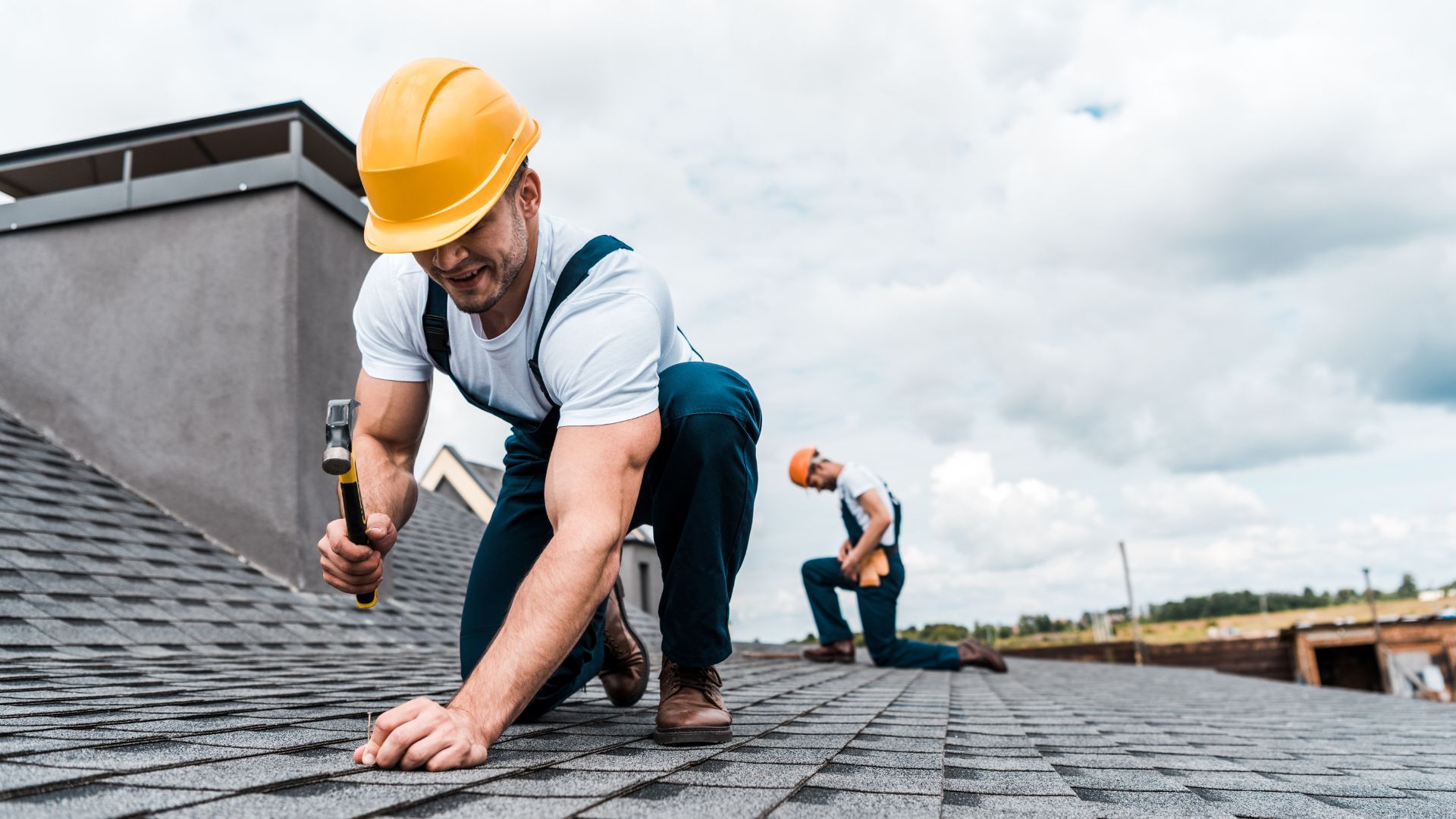
A professional roofing inspection evaluates the entire roofing system—not just the visible damage. Experienced contractors identify hidden entry points, ventilation issues, and early warning signs that homeowners often miss.
A&R Roof Services LLC provides detailed roof inspections designed to locate the true source of leaks and prevent recurring problems. With more than 22 years of industry experience, the company delivers reliable repair solutions that address causes rather than symptoms.
Do Not Guess Where the Leak Is Coming From
When water appears inside the home, damage has already begun. The longer the source remains unidentified, the greater the risk to the structure and interior of the property.
Professional diagnosis saves time, prevents unnecessary repairs, and protects the long-term value of your home.
A&R Roof Services LLC offers free roof inspections to identify leak sources quickly and provide effective repair solutions.
Schedule your inspection today and stop roof leaks before they turn into major damage.